
In this article
Before confirming transport with Speedixa, bring the route, cargo details and handover requirements into one clear shipment brief.
The complete transport chain
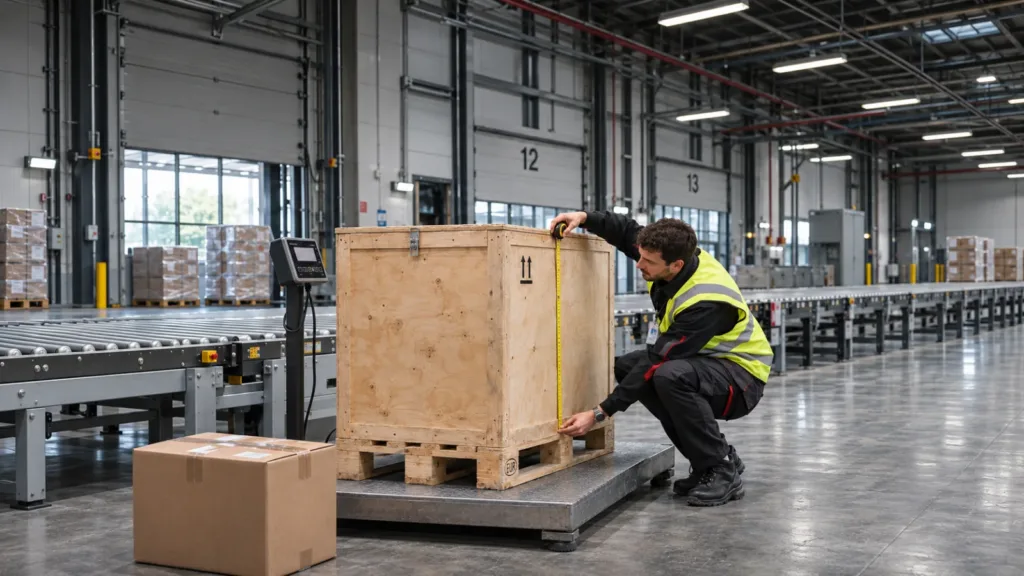
Measure the finished transport packaging before requesting a quote. Product dimensions can differ from the actual package, and a change in outer measurements may change the assessment of suitable transport arrangements.
Cargo and handling requirements
Provide a package-by-package breakdown where items differ. Counts, gross weights and individual measurements are more useful than an unexplained total, especially for a mixture of cartons, pallets or crates.
Connections and receiving
Update the enquiry if the packing changes. Tell the transport team before collection so that an earlier quotation or acceptance check can be reassessed against the cargo that will actually be handed over.
Describe the load in its final packed state
Use a packing list that describes what the transport team will actually handle. Record the number of units, external dimensions and gross weight of each type of package. Include pallets, frames, protruding parts and protective cases in the measurements. Where packages differ, list them separately rather than dividing the total weight by the number of pieces. Mark estimates as estimates and arrange a final measurement before confirming a solution that depends on precise dimensions.
Packaging and handling instructions should support each other. Explain which faces can be touched, where lifting equipment may engage and whether the orientation must remain unchanged. Photographs can clarify unusual shapes or visible access points, but they do not establish weight or lifting suitability on their own. Consider a replacement component supplied in a returnable frame: the frame is part of the transported unit and needs to be included in both the measurements and the return arrangements. Before release, ask the packing team to confirm that the description still matches the goods. If a pallet or case has changed, update the request as well as the packing list.
Keep net product weight and gross transport weight distinct in the records. If a protective case is added after the first enquiry, confirm the revised total with the packer. Updating only the photograph leaves the transport team without the actual measurement needed for its assessment.
Connect the transport stages explicitly
Draw the shipment as a sequence of handovers, including the first collection and the final delivery. For each connection, identify who releases the goods, who accepts them, the location and the reference used. A confirmed main transport segment does not automatically confirm the movements or handling on either side. Write down which party arranges each operation and which information must be available before it begins.
Pay particular attention to the dependency between readiness and the next stage. Goods arriving at a transfer point are not necessarily ready for the next movement if acceptance, release or receiving instructions are still unresolved. For example, after an international main leg, the onward vehicle may need a separate collection reference and a receiving appointment. Both should be coordinated with the actual release process. Ask what happens if a connection changes and who is authorised to approve the revised sequence. The practical output is one chain of responsibilities, with confirmed and provisional steps clearly distinguished. This is more informative than comparing only the departure and arrival times of the longest segment while leaving the interfaces unspecified.
Include any agreed return movement in a separate, identifiable task. Returning an empty frame or packaging is not confirmed merely because the outward movement is booked. Assign the release, collection reference and receiving contact for that return rather than leaving it attached to an already completed delivery instruction.
Check usable capacity and access together
Vehicle selection should follow the physical job. Ask whether the load must enter from the rear, the side or above, and whether a dock is available at both ends. Compare the external dimensions of the packed units with the proposed loading arrangement. A shipment that appears small by weight may still require considerable floor space because it cannot be stacked or placed beside other goods. State these restrictions explicitly instead of expecting them to be inferred from the product name.
Keep the distinction between sharing space and assigning a vehicle to one shipment clear. A full-load or dedicated arrangement and a part-load solution should be assessed against the same requirements: available loading space, handling, collection readiness and receiving conditions. Neither label alone establishes the final schedule or the equipment provided. As a practical check, ask the loading team to describe how each unit will move from its current position into the vehicle. If that operation requires a particular door, lifting device or clear space, obtain confirmation before booking rather than discovering the limitation when the vehicle arrives.
If stacking is permitted, ask the product owner to specify the conditions rather than marking the whole load simply stackable. Different packages may have different limits. Keep the proposed arrangement subject to confirmation by the parties responsible for packaging, loading and the vehicle.
Match the description, documents and physical shipment
Build the document set around the actual movement and ask the responsible specialists which documents are needed for that route and product. Start with a consistent goods description, package count, weights, shipper, consignee and shipment reference. The same shipment should not appear under different quantities or addresses in separate documents. Where the description is technical, include a contact who can clarify it; a broad label such as equipment is often insufficient for operational acceptance.
Separate commercial information from handling instructions while keeping the references connected. An invoice may identify ownership and value, but it does not explain how a case should be lifted or which workshop receives it. Conversely, a warehouse note does not replace documents required for the movement. If preparation is still in progress, identify the missing document and the person authorised to release it. For example, goods can be packed and ready while their release reference is not yet available. Confirm that this dependency is resolved before dispatch. Do not infer regulatory acceptance from the mere existence of a document: the proposed shipment and its data still need to be checked by the relevant parties.
Check document versions as well as their presence. If a packing list has been replaced, withdraw the previous version from the working instruction and identify the current one. Otherwise, correct documents can still create a mismatch when different participants refer to different editions of the same shipment record.
Planning checklist
- Finished package dimensions
- Gross weight by package type
- Number of identical and different pieces
- Commodity and special handling requirements
What this means for your business
For the relevant Speedixa service, see International Air Freight; send the actual route, cargo data and handling requirements so the proposed arrangement can be checked for your shipment.